

The Psychology of AI-Assisted Negotiation
AI is changing negotiation. But the biggest change may not be technological—it may be psychological.
Negotiation has always been about more than numbers. Trust, emotion, perception, confidence and fairness all influence how people make decisions. Now, artificial intelligence is becoming part of that process.
AI can help negotiators prepare for difficult conversations, test different strategies, anticipate objections and challenge assumptions. It can even simulate the other side of a negotiation, allowing leaders to practice before entering the room.
But there is a psychological risk: AI can become an echo chamber.
If we use AI only to confirm that our position is right, we may become more confident without necessarily becoming more effective.
AI agents are increasingly being explored as negotiators that can act on behalf of people and organizations. That creates an important leadership question: What should we allow AI to negotiate—and what should remain human?
AI may be highly effective at analyzing data, comparing options and handling routine negotiations. But strategic negotiations involve relationships, reputation, trust and long-term consequences that cannot always be reduced to a number.
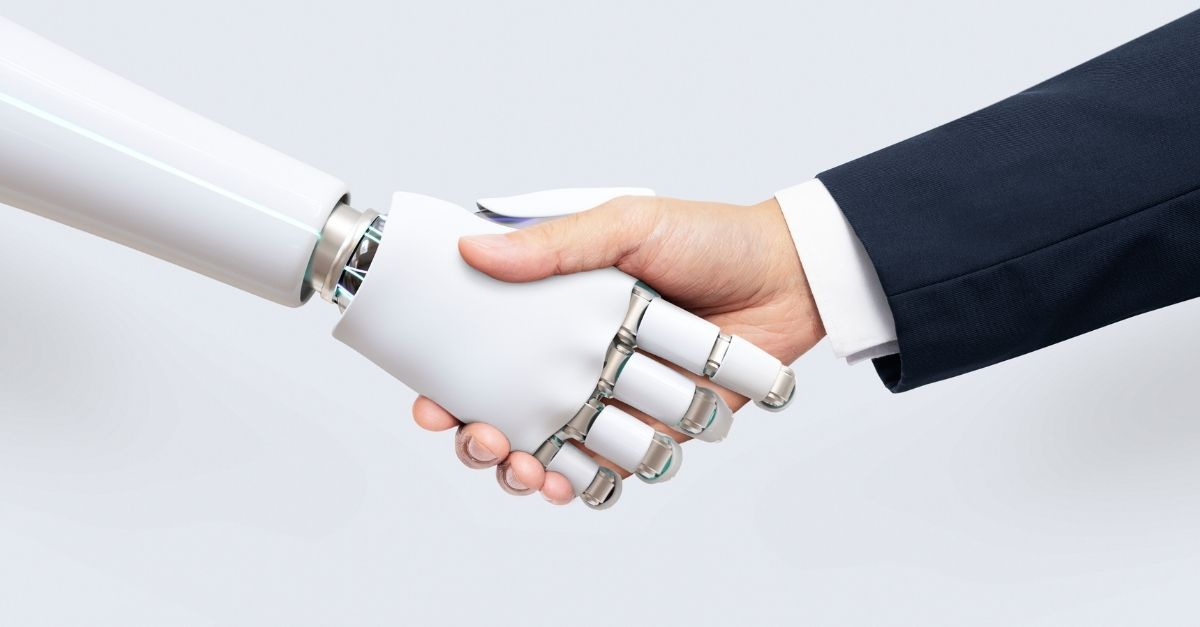
The best approach is therefore not AI versus humans.
It is AI + human judgment.
Use AI to prepare, analyze and challenge your thinking. Keep humans responsible for strategic decisions, relationships and the moments where judgment matters most.
The organizations that benefit most from AI-assisted negotiation will not necessarily be those that automate everything. They will be the ones that understand where AI creates leverage—and where human psychology creates value and long lasting relationships after the agreement.