

Don’t let your emotions negotiate for you.
In negotiation, emotions are the invisible currency. The difference between a deal-maker and a deal-breaker often comes down to emotional management.
Although we would like to think we are the rational kind, humans are primarily governed by feelings. Since negotiation is a human-to-human (H2H) interaction, two emotional energies collide. If handled without caution, this can negatively affect the on-going negotiation. For example, you can get personally affected by what your negotiating partner says or does. The best approach is to never take things personally. Remind yourself that the other party also has their challenges, vulnerabilities and shortcomings. This will make it easier for you to focus your energy on the objective you are trying to achieve.
The best negotiators don’t ignore emotions, they harness them.
You might be wondering what you could possibly do to have fewer emotional reactions during a negotiation. As much as negotiations are an H2H encounter, there must be a strategic framework for the process. You can be passionate about what you are negotiating however, the moment you start negotiating, reason must take control over feelings. If not, a skilled negotiating partner can that advantage of your inner emotional battles.
If you notice that your feelings are starting to affect your judgment and your reactions, you might find it helpful to:
- Stay self-aware and recognize your triggers before they surface (The turn back time method)
- Focus on the issues not the egos
- Pause before reacting or ask for a break
- Channel tension into creativity
How to overcome emotions management challenges?
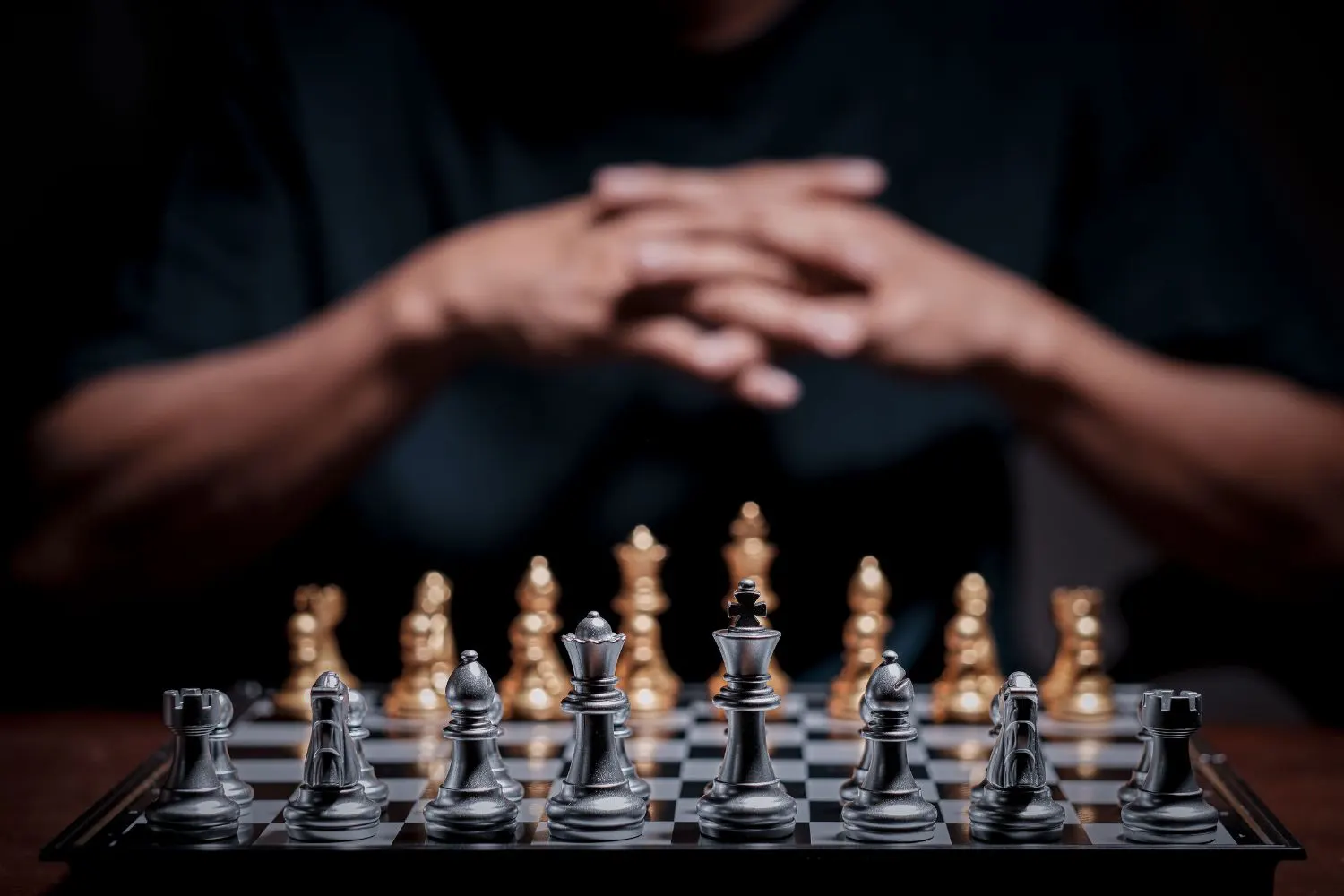
The Chessboard Technique
Close your eyes and imagine that your negotiation situation is a chessboard. The circumstances are the board and the players are the pawns. It is vital that you imagine the negotiation landscape in every single detail. Make the situation as real as possible in your mind. How would you behave and how would you like to see your negotiation partner acting, where would the interaction be taking place, what would be the setting, how powerful and optimistic would you be feeling?
Now go one step further. Imagine that you are the “hand of God”, that you have the power to move the pawns. How would you design the chessboard to achieve your objectives? To conclude, visualize the movement of the pawns that brings you to a negotiation checkmate.
The Mental Rehearsal Method
This is how it works. Close your eyes. Repeatedly imagine you are successfully negotiating, for example opening the negotiation from a position of power, bringing in demands with conviction, closing the deal, leading the discussion in a constructive manner, and so on. Mentally construct the future outcome you want. Remind yourself of the challenges you want to let go off and replace them by who you want to be. Think about your future actions, plan the desired choices and rehearse performing the successful action until it feels like part of your new reality.